Monisha Pandhi, University of Warwick
Food systems are currently undergoing a transformation focused on the cultivation of alternative proteins such as fungal meat and microalgae to enhance sustainability. Using a comparative case-study analysis, this paper assesses this change using Sam Grant’s (2017) regenerative lens to understand how alternative proteins benefit the environments they are cultivated in. Drawing on secondary sources such as academic journals and official reports, the comparative case-study analysis explores the extent to which Quorn mycoprotein and spirulina align with broader regenerative food system goals. Categories from the SAI Platform’s framework such as water, climate, biodiversity and soil health are used to evaluate the sustainability of each protein source. The findings show that Quorn performs more strongly in relation to climate due to its standardised fermentation process. Yet, spirulina shows greater regenerative potential in terms of water circularity, land efficiency and resource recovery. Overall, the paper argues that food systems should move towards more circular practices focusing on harnessing waste and supporting broader socio-ecological sustainability.
Key words: regenerative agriculture, alternative proteins, circular production, nutrition of microalgae, nutrition of mycoproteins
Traditional global food systems are under increasing pressure to provide sufficient nutrition and reduce environmental harm. For instance, 783 million people globally face acute hunger while ecological crises such as extreme heat from climate change threatens the livelihoods of one billion people involved in the food production process (Mishra, 2026; World Food Programme, 2026). According to the Food and Agriculture Organisation (FAO), food production must be 50 per cent higher in 2050 than 2012 production levels (FAO, 2025). In response, alternative proteins such as fungal meat and microalgae have gained attention as potential solutions to the challenges associated with conventional agriculture. These foods are often presented as nutritious and environmentally sustainable because they can reduce pressure on land, water and ecological systems.
A much-debated question is whether alternative proteins are truly sustainable or whether they simply represent more efficient forms of industrial food production. Few studies have thoroughly investigated this question beyond viewing sustainability as a form of harm reduction. This study sheds light on Quorn’s mycoprotein and spirulina production, examined through Grant’s regenerative lens (2017) to better understand food sustainability. Despite both protein sources being widely regarded as innovative alternatives, this study addresses a gap in literature by examining which alternative protein type garners a greater regenerative potential.
The structure of this paper is as follows: The literature review in Section 2 assesses scholarly debates on food system frameworks, alternative proteins, regenerative compared to extractive food systems and social barriers within implementation. Section 3 explains the purpose of the comparative case-study approach, the sources used, the application of the Sustainable Agriculture Initiative (SAI) Platform’s framework pillars and the limitations of the methodology. Section 4 describes the cases of Quorn’s mycoprotein and spirulina production. Section 5 discusses the results of the analysis, drawing a comparison between the two alternative proteins. Finally, the conclusion outlines the need to embed circular and inclusive principles in global food systems, with spirulina being a potential pathway for sustainability.
This study contributes to various strands of the literature surrounding sustainable food systems and alternative proteins. It primarily focuses on Eriksen’s work and the FAO’s food system framework (Eriksen, 2008; FAO, 2018). Food sustainability is conceptualised across the literature through a focus on both nutrition and process efficiency. Collinson et al. (2019: 2) define food sustainability as ‘the ability over time to produce or procure enough food to meet an individual’s or population’s nutritional requirements’. Understanding how food is produced, distributed and disposed of, as well as the environmental impacts associated with these processes, is core to the authors’ argument. The food systems framework utilises this definition further to address interrelated problems within the food network through assessing social and ecological systems (Eriksen, 2008: 238). FAO reports (2014; 2018) highlight the need for a value-chain approach that advocates for a profitable system that does not permanently deplete natural resources. Contrary to Eriksen, the FAO suggests food systems should be scalable, market-driven and multilateral, where technology is utilised to increase food availability (FAO, 2018: 21–53). Much of the literature on food systems examines how overarching structures can affect the actions of individual agents and their capacities to act in a way that is beneficial for the environment. However, recommendations given place a high degree of emphasis on improvements in efficiency assuming that a reduction in food prices will solely increase food availability. These recommendations promote a highly extractive form of food sustainability, and lack an acknowledgement of the long-term need for regenerative practices.
A UK government report finds that despite country-specific nutritional guidelines, there seems to be no actual definition of a sustainable diet, and switching to more plant-based options is a likelihood occurring from individuals wanting to improve their health (GOV UK, 2025). Debates in the literature focus on the relationship between nutritional gain and sustainability (Bälter et al., 2017; Harvard School of Public Health, 2024). Bälter et al. (2017) found through questionnaire-based research that there were small differences in nutrient intake between food groups of varying levels of CO2e showing the nutritional adequacy of plant-based diets. However, these findings centred around the Nordic nutritional guidelines and fail to consider the important roles of alternative food sources mentioned by scholars such as Fanzo et al. (2021). As a result, much of the debate around nutritional adequacy and sustainability remains centred on food systems based off guidelines from the Global North such as the Nordic guidelines.
To assess both food sustainability and nutrition in light of food innovations, the remainder of this literature review focuses on debates around sustainability, regenerative and extractive paradigms and the social barriers to implementing alternative proteins.
Literature on alternative proteins focuses primarily on their nutritional and technological capacities (Gamarra-Castillo, 2022; Li et al., 2023; Schweiggert-Weisz et al., 2020). Li et al. (2023) offer a technological explanation for the sustainability of fungal meat for being nutritionally high in protein, rich in amino acids, low in fat and almost cholesterol-free. They briefly mention how fungal meat is environmentally better. Some authors have furthered the development of this through looking at techniques to mimic the nutritional and sensory profiles of their meat-based counterparts (Gamarra-Castillo et al., 2022). Similarly, Bhuvaneswari and Sivakumar (2021: 181–96) outline that mycoproteins can ‘be bound with albumin which can form hyphae’, making it suitable as a meat alternative, especially considering the emergence of livestock diseases. The comparative analysis acknowledges the nutritional importance of mycoproteins and their challenges within food production. Similar to Li et al. (2023), Bhuvaneswari and Sivakumar solely focus on the chemical makeup of the developing fungal meat rather than examining their regenerative or sustainable capacities within the entire food system.
Another alternative protein which is high in nutritional value is microalgae. Through exploring its different uses, Occhipinti et al. (2024) find that microalgae have high levels of proteins, vitamins and minerals while simultaneously being able to capture carbon dioxide. Other scholars acknowledge the need for technological advancements in algal biotechnology to incorporate microalgae more cheaply in common food products to address malnutrition (Docksai, 2014; Kusmayadi et al., 2021). Notably, the literature reports how microalgae has been consumed for centuries in certain ancient cultures (Garcia et al., 2017), strongly suggesting it could be an essential staple. Although scholars have widely explored the many benefits and technological advancements with both microalgae and fungal meat, the regenerative potential is rarely analysed.
There are ongoing debates in the literature regarding harmful technological fixes and newer regenerative paradigms. Dominant narratives mention ‘the uptake in technology to reduce the carbon footprint’ in relation to current food systems with ‘alternative proteins becoming a facilitator’ of that transition (Dam et al., 2024; Derbyshire et al., 2023; Maseko et al., 2025). These scholars emphasise ways in which alternative proteins can achieve higher yields in shorter time spans, enabling lower prices for consumers (Maseko et al., 2025). However, this represents a surface-level examination of building a sustainable food system by only addressing barriers to the technology needed to facilitate this change and consumer understanding. Anderson and Rivera-Ferre are among the few scholars criticising this narrative for assuming current industrial practices are sustainable. According to the authors, ‘food systems that build public health, community vitality and resilience’ are necessary to prevent a degradation of materials (Anderson and Rivera-Ferre, 2021: 22). Therefore, a regenerative outlook on alternative proteins is needed to integrate their benefits more effectively with society and the environment.
Previous studies reveal that barriers to implementing alternative proteins include their availability, affordability and societal perception. Scholars such as Balagamwala et al. (2024) and Gradl et al. (2024) highlight stark affordability gaps, with alternative proteins remaining unaffordable for many populations in the Global South due to insufficient large-scale production and high processing costs. Cultural perceptions further compound these issues. Originally having deep indigenous roots, Pérez-Lloréns (2020) now documents their loss over time and their subsequent revival by Western elite chefs, thereby reinforcing existing inequalities. Consumer concerns further stall adoption where health motivations clash with misconceptions (Mulla et al., 2025). Corporate capture is another layer entrenching the social barriers; Dickson and Clay’s (2024) critique focuses on how large firms equate sustainability with consumption to maximise profitability. Inconsistencies within the literature emerge here with some studies pushing for market growth and wider adoption of alternative proteins while others highlight how monopolised the industry has become.
This study contributes to the literature through a comparative case-study analysis of Quorn’s fungal meat and the use of spirulina as a superfood. Through assessing sustainability in relation to regenerative capacities using Grant’s framework (2017), this paper proposes a shift from techno-econometric justifications found in the literature to more holistic and regenerative paradigms.
The present study uses a qualitative comparative case-study design to assess the regenerative potential of Quorn mycoprotein and spirulina. According to Denscombe (2021: 112), comparative case studies seek to provide an ‘in depth view of events, relationships or experiences’. These case studies are well-suited to understand the settings in which processes occur and the reasons for their occurrence in particular contexts (Denscombe, 2021: 114–15). In Descombe’s study, a holistic view is provided of the interconnected relationships between Quorn’s mycoprotein and spirulina production by providing the benefits, drawbacks and contexts of each.
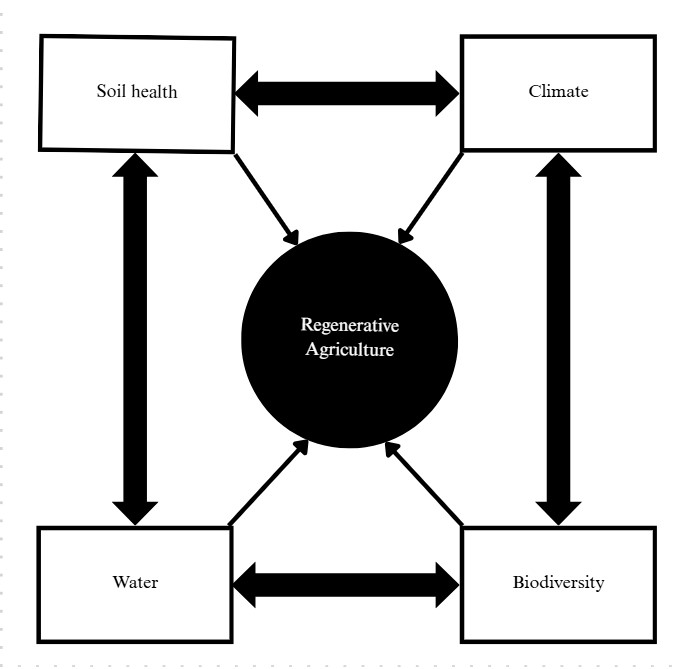
Grant’s definition, which states that regenerative agriculture should ‘actively restore soil quality, biodiversity, ecosystems health and water quality’ while producing nutritious food (Grant, 2017: 3), is built upon to assess this. While Grant does not provide a formal assessment framework, the SAI Platform offers a suitable structure for operationalising these principles for the case-study comparison. The SAI Platform’s regenerative framework consists of four interconnected pillars: soil health, water, biodiversity and climate (SAI Platform, 2023: 4). Soil health focuses on whether land use is appropriate for the terrain and whether soil fertility is maintained. Water considers runoff, pollution and equitable access. Biodiversity assesses habitat conservation and the risks of deforestation resulting from land conversions. Climate is the final pillar and examines whether food production can function as a ‘greenhouse gas sink’ or ‘enable adaptations to a changing climate’ focusing on nitrogen and energy use (SAI Platform, 2023: 4). This research design is beneficial as it provides considerable depth in assessing regenerative outcomes across multiple ecological dimensions, enabling the cases to be transferable when comparing other types of fungal meat and microalgae production systems.
Figure 1: Author’s own interpretation of the SAI Platform’s Regenerative Agriculture Framework adapted from SAI Platform (2023)
Secondary sources such as academic literature, official reports and news articles were used, with keywords such as ‘mycoprotein’, ‘microalgae’, ‘climate sustainability’ and ‘environmental governance’ used. Scholarly databases such as Scopus and Google Scholar were utilised to identify academic journals relating to the production of fungal meat and microalgae.
Quorn was used as the main case for mycoprotein because its dominance within the industry makes it a useful proxy for analysis. Information regarding its nutritional and chemical composition was sourced from peer-reviewed articles (Mach, 2023; Whittaker et al., 2020). Life cycle assessments (Carbon Trust, 2023; FAO, 2025) and a report by Quorn Foods (2024) were used to determine the amount of water, land and energy used in production.
Initially, Algenuity’s Chlorella Colours was to be used initially as a corporate case study to understand the inputs required in spirulina production; however, there was a lack of suitable information on its production, therefore the study focused on spirulina production in California, as this is where the largest farms are. Information about the nutritional chemical compositions of spirulina was sourced from peer-reviewed articles (Borowitzka, 2018; Christi, 2018; Podgórska-Kryszczuk, 2024). An LCA conducted by Ahmed et al. (2026) combined with an industry report (Fox, 1996) and Henrikson’s findings (1989; 2021) were used to determine how much water, land and energy were used in cultivation.
These sources are highly credible for understanding the resource usage involved in production. However, they do not consider the geographical contexts of production, with one case being in North England and the other in California, thereby reducing the effectiveness of the comparability of the findings.
Several issues arose when collecting data for this study. The first relates to bias of convenience bias (Denscombe, 2021), which may have been introduced because the cases were selected partially based on data availability. This arguably reduces the representativeness of the comparison, as Quorn uses more rigorously industrialised production systems and operates on larger scales than spirulina. However, this can also offer stronger grounds for comparing newer processes against more established ones.
A second potential limitation concerns the fragmentation of the secondary evidence. Quorn’s data is more consistent than data for spirulina production, which is reflected in detailed reports and assessments. In contrast, data on spirulina production reflects more localised production systems and therefore provide less generalisable values.
A final limitation is the purpose of the SAI framework itself. It was initially designed for terrestrial agriculture so applying it to this case required an adaptation that focused on comparing natural resource usage such as land and water. This makes the framework useful for structuring analysis but renders some categories less precise. Additionally, the framework is quick to equate a low environmental impact with a high regenerative impact. This affects the strength of the conclusions as the framework offers only surface-level insight into the production system that enables ecological restoration.
Despite these limitations, this study offers a useful comparative assessment of the two alternative proteins. The differing types of evidence reflect the maturity of both sectors enabling a useful analysis of whether proven methods can be regenerative or newer production systems offer greater benefits.
Quorn, a well-known global seller of mycoprotein, with revenues of £186.7 million in 2024, emerged from predictions of protein famine in the 1960s (Food Management Today, 2025; Whittaker et al., 2020). Between 1967 and 1972, the company screened over 3000 fungal isolates before selecting Fusarium venenatum for the industrial-scale production of mycoprotein (Whittaker et al., 2020: 64). This filamentous protein was selected because humans have eaten similar products for centuries; the proposed biomass produced mimics the properties of animal meat and extraction is easy (Whittaker et al., 2020: 62–63).
To grow the mycoprotein, Quorn cultivates a fungus called Fusarium venenatum in air-lift fermenters, which use sterile air, ammonia, cooling coils and heat treatments (Whittaker et al., 2020: 64). This product is then harvested at the same rate that resources are inputted into the fermenter, resulting in a combined output of 30 tonnes per hour (Whittaker et al., 2020: 68). This industrialised fermentation process enables Quorn mycoprotein to position themselves in the protein market as nutritionally superior and better for the environment. Mach (2023) found that Quorn mycoprotein produces 98 per cent fewer greenhouse gases and has a carbon footprint 55 times lower than beef. For decades, Quorn’s mycoprotein production practices have been regarded as the benchmark for the alternative protein industry.
Spirulina (Arthrospira plantensis) is a type of microalgae which grows in marine lakes. It has a long history of being harvested from Lake Texcoco by Aztec populations or by the Kanenbou people living near Lake Chad for a variety of food and medicinal uses (Borowitzka, 2018; Christi, 2018). Additionally, spirulina has an exceptional nutritional profile through being high in essential compounds. For instance, spirulina not only is rich in iron and calcium but also has a protein content of 55 to 70 per cent, compared to alternatives ranging from 17 to 22 per cent (Podgórska-Kryszczuk, 2024). This nutritional density has helped sustain indigenous communities and contributed to spirulina’s recognition as a world superfood.
More recently, Spirulina production has focused on large-scale cultivation in open ponds, with scholars such as Henrikson (1989) documenting the largest one having a 108-acre capacity in California. Such facilities engage in mass production by bubbling carbon dioxide through cultivation ponds, adding extra mineral nutrients and then using separation techniques to harvest the spirulina. The process has an estimated cost of around $10 to $20 per kilogram (Henrikson, 2021).
Although a more recent development in biotechnology, spirulina has been an important food for centuries.
Drawing on available online secondary sources on Quorn and spirulina production, the comparative case-study analysis focuses on the regenerative capacities of both. As seen in Figure 1, metrics from the SAI Platform framework are used, with particular attention given to the impact of each protein source on soil health, water, land use and overall climate. It was noted that both forms of alternative protein maintain soil health, making them somewhat similar in their sustainability profiles. However, Quorn mycoprotein excels at climate performance while spirulina outperforms on water and land-use efficiencies. The following sections assess pillar-specific outcomes, interpret the trade-offs and derive implications for alternative protein production.
Pillar |
Quorn mycoprotein |
Spirulina cultivation |
Soil health |
n/a |
n/a |
Water |
731.64 L/kg |
-22 000 L/kg |
Biodiversity/ land use |
1.67 m²/kg |
0.6 m²/kg |
Climate |
0.73 to 0.79 kg CO2e/kg |
15 kg CO2e/kg |
Table 1: Comparative table on metrics aligned with SAI Platform indicators. Adapted from SAI Platform (2023), Carbon Trust (2023), Mach (2023), Quorn Foods (2024), Ahmed et al. (2026), Finnigan et al. (2024) and Henrikson (2021)
Firstly, soil health was assessed in terms of the tillage and erosion caused by each production system’s cultivation practices. Across all sources, neither Quorn’s mycoprotein nor modern spirulina cultivation practices cause damage to the soil at all. This is because mycoprotein cultivation happens in large fermenters where the fungus is grown aerobically on glucose (Whittaker et al., 2020). Spirulina ponds tend to exist on marginal, non-arable and non-fertile land (Henrikson, 1989: 123). These practices also preserve fertile land for other crops, suggesting that both production systems are highly beneficial for the environment in terms of soil health as competition for fertile soil is avoided.
This confirms findings in FAO’s report where both forms of alternative protein avoid permanent resource depletion (FAO, 2018). Across the value chain, both forms of protein would be considered scalable as there is no noted trade-off involving the soil. This is consistent with the findings from authors such as Dam et al. (2024) and Maseko et al. (2025), which show that high yields can be secured without risking damage to the soil. Unlike Eriksen’s model (2008), which places emphasis on soil-dependent food systems, both protein sources interestingly achieve a level of regeneration through how growing systems are designed rather than soil being managed to accommodate their cultivation. Therefore, both Quorn mycoprotein and spirulina are incredibly scalable when considering their impacts on soil health because they are cultivated in systems that avoid using fertile land.
The second pillar, water, was assessed in terms of each alternative protein’s water consumption and capacity to pollute surrounding water bodies. Here, Quorn’s mycoprotein fermentation process utilises 731 L/kg of freshwater (Carbon Trust, 2023; Mach, 2023). This is because the Fusarium venenatum must be grown in a liquid broth so nutrients can be dissolved into it and heat treatments can nutritionally fortify the molecules (Finnigan et al., 2024). Hence, an expensive water-extraction process is needed to transform the broth into the final product. As a result, Quorn’s mycoprotein cultivation system remains water-intensive even though it is more sustainable than livestock production.
What was surprising is that spirulina cultivation enables a higher degree of circularity compared to mycoprotein, with recent studies suggesting a freshwater usage of -22,000 L/kg (Ahmed et al., 2026). The negative value can be explained by the use of treated wastewater on a large scale within cultivation ponds (Guieysse and Plouviez, 2021; Henrikson, 2021). This also helps explain why algal biotechnology is cheaper to incorporate into modern food products (Dam et al., 2024; Kusmayadi et al., 2021) as cultivation shifts from water extraction to reuse, making spirulina more regenerative within this pillar.
From the literature, this finding supports Anderson and Rivera-Ferre’s (2021) argument that some alternative proteins can improve resource efficiency and productivity. Spirulina cultivation enables a higher degree of circularity as it can integrate waste streams into protein production, unlike mycoprotein. These results further support the idea that waste is a human concept (Bambridge-Sutton, 2023) because spirulina production is an upcycling initiative itself. This makes it more closely aligned with regenerative principles because it centres production around traditionally discarded wastewater. Therefore, microalgae cultivation appears more sustainable and regenerative than mycoprotein production in terms of water usage.
While there were no sources specifically addressing the impact of each protein source on surrounding wildlife or biodiversity, this analysis considers the metrics for land-use change as a proxy to imply the impact on ecosystems. According to the SAI Platform framework (2023: 4), regenerative metrics on biodiversity consider impacts on deforestation. Analysis in line with the SAI Platform framework also aligns with wider land-systems literature showing how ‘agricultural expansion and intensification’ are major drivers of habitat loss and ecological degradation (Pereira et al., 2024; Rockström et al., 2009: 14–16; Smith and Gregory, 2013).
Out of the two alternative protein sources, spirulina uses far less land than Quorn’s mycoprotein production. For instance, spirulina uses 0.6 m²/kg protein in comparison to mycoprotein, which uses 1.67 m²/kg (Carbon Trust, 2023; Henrikson, 2021: 124). This difference is significant because spirulina can be grown on ‘brackish land’ (Henrikson, 2021: 124), which reduces pressure for land conversion, thereby conserving vulnerable ecosystems. Quorn mycoprotein also has a low land footprint in comparison to many other forms of protein but the fermentation model centralises production on wheat, which is added for its nutritional value (The Green Stars Project, 2019). In terms of regenerative potential, neither protein source contribute directly to deforestation, but microalgae cultivation supports food production to a higher degree without competing with high-biodiversity landscapes. A recent study suggests that microalgae can be a replacement for fishmeal (Napolitano et al., 2022), highlighting its indirect benefit in marine life preservation.
These findings are in line with some scholars who advocate the degree of sustainability of alternative proteins (Kusmayadi et al., 2021). Yet, the analysis neither challenges nor supports the push for greater mass production of all alternative proteins. Rather, it implies that a higher production of mycoprotein could be indirectly increasing Quorn’s land footprint comparatively to spirulina. Partially, this supports Maseko et al.’s findings (2025) on addressing rising food demands in sustainable ways as both forms of alternative protein minimise disruption to the land. This study demonstrates the validity of their argument while also finding that spirulina cultivation has a greater capacity towards being restorative for ecosystems compared to Quorn’s mycoprotein. Therefore, spirulina has a higher regenerative impact in the biodiversity pillar compared to Quorn’s mycoprotein because it places less pressure on vulnerable ecosystems or biodiversity-rich landscapes.
Climate change was the final pillar of the SAI Platform. The analysis measured this in terms of how many greenhouse gases each alternative protein form releases into the atmosphere and their potential for carbon sequestration. Quorn mycoprotein has 0.73–0.79 CO₂e/kg protein value in comparison to spirulina’s 15 kg CO₂e/kg biomass (Ahmed et al., 2026; Carbon Trust, 2023; Finnigan et al., 2024: 561). This finding diverges from Dickson and Clay’s (2024) scepticism regarding the ability of agri-food technologies to address the climate crisis. Perhaps the most striking finding was how Quorn’s industrial capabilities can consistently create a low-carbon footprint while enabling high yields, as examined by Derbyshire et al. (2023).
It is important to note that spirulina has the capacity to fix 6.3 tons of carbon per hectare per year through the production process, producing 16.8 tons of oxygen (Henrikson, 2021: 126). Contrary to Occhipinti et al.’s findings (2024), this benefit does not fully offset emissions from energy-intensive stages such as harvesting, drying and processing. As a result, Quorn’s mycoprotein fermentation process appears more sustainable as a long-term solution to address climate change, enabling it to score higher in this regard on its regenerative potential. Therefore, while spirulina offers somewhat promising carbon capture potential, Quorn’s mycoprotein provides a more credible low-carbon pathway for tackling climate change.
Under the SAI Platform’s regenerative framework (SAI Platform, 2023), both Quorn’s mycoprotein and spirulina have aspects that enable them to be considered as regenerative. Despite Quorn’s industrial fermentation practices producing a lower greenhouse gas input, spirulina production enables a more circular usage of water and land. A possible explanation is Quorn’s indirect need for additional resources and greater system maintenance requirements. This could help explain the observed affordability gap found by scholars such as Balagamwala et al. (2024) and Gradl et al. (2024). Spirulina cultivation provides the opportunity to be truly regenerative and sustainable because production builds from waste, enabling greater circularity and lower overall costs.
However, the transition cannot be framed solely in terms of technical efficiency. The analysis contributes to the broader literature by suggesting that true sustainability in food systems must also be inclusive. In this respect, future spirulina production must avoid excluding or exploiting indigenous knowledge, as highlighted by Pérez-Lloréns (2020). Considering the alternative protein industry is expected to reach $3 billion by 2030 (Rzegotta, 2024), the most regenerative and credible transition pathway is likely one that combines resource recovery, circular production and inclusivity rather than relying solely on industrial scale. Therefore, the analysis determines that spirulina cultivation has a greater regenerative potential than Quorn’s mycoprotein, thereby being the more sustainable alternative protein source.
This study set out to gain a better understanding of the sustainability of fungal meat and microalgae. Using Grant’s (2017) conceptualisation of sustainability and the SAI Platform’s regenerative framework (2023), the comparative case-study analysis assessed secondary evidence relating to Quorn mycoprotein and spirulina production. The analysis assessed four key pillars: water, biodiversity, soil health and climate. This approach made it possible to assess not only which system performs better on individual metrics but also how each fit within broader debates about extractive and regenerative food production.
The results of this investigation show that spirulina production has a greater regenerative potential overall even though Quorn performs better on climate emissions. Quorn’s mycoprotein system benefits from more established industrial processes while spirulina shows greater potential in terms of water reuse, land efficiency and resource recovery. Spirulina production aligns more closely with circular principles as it gives back to ecosystems rather than simply reducing environmental harm.
At the same time, the lack of recent data on other alternative protein companies producing these foods makes these findings less generalisable to the wider food system. Much of the available data is hyper-specific, which limits how far the results can be generalised to the wider alternative protein sector. There is a definite need for greater synthesised research on the alternative protein industry going beyond the minimal data outputs currently provided by larger companies.
Nonetheless, the comparison still offers a useful contribution for policy and research by showing that nutritional innovation does not require an environmental or social compromise. Instead, newer production models grounded in indigenous knowledge may offer a more sustainable pathway for future food systems. Authors such as Dickson and Clay caution that agri-food technology start-ups producing these newer alternative protein models should be held ‘accountable to more than vague promises’ (Dickson and Clay, 2024: 11). This reinforces the message that sustainability within the food system is not possible without acknowledging the socio-economic relationships necessary to create a truly inclusive and regenerative system.
Circularity: The practice or policy of reusing and regenerating materials or products, especially as a means of continuing production in a sustainable or environmentally friendly way.
Food sustainability: The ability over time to produce or procure enough food to meet an individual’s or population’s nutritional requirements.
Mycoprotein: Naturally sourced meat-free super protein that is high in fibre, low in saturated fat and a complete source of amino acids.
Spirulina: Filamentous cyanobacteria that form tangled masses in warm alkaline lakes in Africa and Central and South America.
Terrestrial agriculture: Farming and cultivation practices that primarily rely on soil usage.
Regenerative agriculture: Agricultural practices that ‘actively restore soil quality, biodiversity, ecosystems health and water quality’ while producing nutritious food.
Value chain: The system and resources required to move a product or service from supplier to customer.
Figure 1: Author’s own interpretation of the SAI Platform’s Regenerative Agriculture Framework adapted from SAI Platform (2023)
Table 1: Comparative table on metrics aligned with SAI Platform indicators. Adapted from SAI Platform (2023), Carbon Trust (2023), Mach (2023), Quorn Foods (2024), Ahmed et al. (2026), Finnigan et al. (2024) and Henrikson (2021)
Ahmed, A. E., M. Frem, R. Roma, A. Carignani and G. Cardone (2026) ‘Organic spirulina as a sustainable superfood: A tripartite sustainability assessment of an Italian production case study’, Frontiers in Sustainable Food Systems, 10, p. 1763476.
M. D. Anderson and M. Rivera-Ferre (2021) ‘Food system narratives to end hunger: Extractive versus regenerative’, Current Opinion in Environmental Sustainability, 49, pp. 18–25.
M. Balagamwala, S. Kuri, J. G. J. Mejia and S. de Pee (2024) ‘The affordability gap for nutritious diets – How big is it and how to close it?’, Global Food Security, 41, p. 100757.
K. Bälter, C. Sjörs, A. Sjölander, C. Gardner, F. Hedenus and A. Tillander (2017) ‘Is a diet low in greenhouse gas emissions a nutritious diet? – Analyses of self-selected diets in the LifeGene study’, Archives of Public Health, 75 (1), p. 17.
A. Bambridge-Sutton (2023) ‘Mycoprotein and fungal proteins – The sustainability potential’, FoodNavigator.com [online]. Available at: https://www.foodnavigator.com/Article/2023/06/06/Mycoprotein-and-fungal-proteins-The-sustainability-potential/ Accessed: 24 April 2026.
M. Bhuvaneswari and N. Sivakumar (2021) ‘Fungi: A potential future meat substitute’, in D. Dhanasekaran and A. Sankaranarayanan (eds), Fungi in Sustainable Food Production. Cham: Springer International Publishing, pp. 181–195.
M. A. Borowitzka (2018) ‘Microalgae in medicine and human health: A historical perspective’, in I. A. Levine and J. Fleurence (eds), Microalgae in Health and Disease Prevention. London: Academic Press, pp. 195–210.
Carbon Trust (2023) Quorn footprint comparison report [online]. London: Carbon Trust. Available at: https://www.quorn.co.uk/assets/files/content/Carbon-Trust-Comparison-Report-2023.pdf (Accessed: 2 May 2026).
Y. Chisti (2018) ‘Society and microalgae: Understanding the past and present’, in I. A. Levine and J. Fleurence (eds), Microalgae in Health and Disease Prevention. London: Academic Press, pp. 11–21.
P. Collinson, I. Young, L. Antal and H. Macbeth (2019) Food and Sustainability in the Twenty-First Century: Cross-Disciplinary Perspectives. Edited by P. Collinson. New York and Oxford: Berghahn.
M. Denscombe (2021) The Good Research Guide: Research Methods for Small-Scale Social Research Projects. 7th edn. London: Open University Press.
E. J. Derbyshire, H. Theobald, B. T. Wall and F. Stephens (2023) ‘Food for our future: The nutritional science behind the sustainable fungal protein – mycoprotein. A symposium review’, Journal of Nutritional Science, 12, p. e44.
E. Dickson and N. Clay (2024) ‘“Eat up. Save Earth.” Alternative proteins and the myth of inevitable sustainability’, Journal of Rural Studies, 112, p. 103447.
R. Docksai (2014) ‘Microalgae to feed and fuel the world: Food, pharmaceutical, and cosmetic producers are tapping a new green resource’, The Futurist, 48 (2), pp. 9–11.
P. J. Ericksen (2008) ‘Conceptualizing food systems for global environmental change research’, Global Environmental Change, 18 (1), pp. 234–245.
J. Fanzo, C. Rudie, I. Sigman, S. Grinspoon, T. G. Benton, M. E. Brown, N. Covic, K. Fitch, D. Grace, M.-F. Hivert, P. Huybers, L. Jaacks, W. A. Masters, N. Nisbett, R. A. Richardson, C. R. Singleton, P. Webb and W. C. Willett (2022) ‘Sustainable food systems and nutrition in the 21st century: A report from the 22nd annual Harvard Nutrition Obesity Symposium’, The American Journal of Clinical Nutrition, 115 (1), pp. 18–33.
FAO (2014) Developing sustainable food value chains. Rome: Food and Agriculture Organization of the United Nations.
FAO (2018) Sustainable food systems concept and framework [online]. Rome: Food and Agriculture Organization of the United Nations. Available at: https://openknowledge.fao.org/server/api/core/bitstreams/b620989c-407b-4caf-a152-f790f55fec71/content (Accessed: 22 April 2026).
FAO (2025) The state of the world’s land and water resources for food and agriculture 2025 – The potential to produce more and better [online]. Rome: Food and Agriculture Organization of the United Nations. Available at: https://www.fao.org/publications/fao-flagship-publications/the-state-of-the-worlds-land-and-water-resources-for-food-and-agriculture/en
T. Finnigan, K. Mach and A. Edlin (2024) ‘Mycoprotein: A healthy new protein with a low environmental impact’, in S. Nadathur, J. P. D. Wanasundara and L. Scanlin (eds), Sustainable Protein Sources. London: Elsevier, pp. 539–566. doi: 10.1016/b978-0-323-91652-3.00011-3.
Food Management Today (2025) ‘Quorn revenue down as meat free category sees “continued decline”’ [online]. Available at: https://foodmanagement.today/quorn-revenue-down-as-meat-free-category-sees-continued-decline/
R. D. Fox (1996) Spirulina: Production and Potential. Aix-en-Provence: EDISUD.
O. Gamarra-Castillo, N. Echeverry-Montaña, A. Marbello-Santrich, M. Hernández-Carrión and S. Restrepo (2022) ‘Meat substitute development from fungal protein (Aspergillus oryzae)’, Foods, 11 (19), p. 2940.
J. L. García, M. Vicente and B. Galán (2017) ‘Microalgae, old sustainable food and fashion nutraceuticals’, Microbial Biotechnology, 10 (5), pp. 1017–1024.
GOV.UK (2025) National diet and nutrition survey 2019 to 2023 [online]. London: GOV.UK. Available at: https://www.gov.uk/government/statistics/national-diet-and-nutrition-survey-2019-to-2023/national-diet-and-nutrition-survey-2019-to-2023-report (Accessed: 23 April 2026).
K. Gradl, A. S. Sánchez Hernández, W. L. Grayson, T. J. A. Finnigan, H. E. Theobald, B. Kashi and V. Somoza (2024) ‘What technological and economic elements must be addressed to support the affordability, accessibility, and desirability of alternative proteins in LMIC?’, Current Developments in Nutrition, 8 (Suppl 1), p. 102027.
S. Grant (2017) ‘Organizing alternative food futures in the peripheries of the industrial food system’, Journal of Sustainability Education, 14, pp. 1–14.
B. Guieysse and M. Plouviez (2021) ‘Sustainability of microalgae cultivation’, in T. Lafarga and G. Acién (eds), Cultured Microalgae for the Food Industry. London: Academic Press, pp. 343–365.
Harvard T.H. Chan School of Public Health (2024) ‘Planetary health diet associated with lower risk of premature death, lower environmental impact’ [online]. Boston, MA: Harvard T.H. Chan School of Public Health. Available at: https://hsph.harvard.edu/news/planetary-health-diet-associated-with-lower-risk-of-premature-death-lower-environmental-impact/ (Accessed: 23 April 2026).
R. Henrikson (1989) Earth Food Spirulina. Maui, Hawaii: Ronore Enterprises [online]. Available at: https://www.spirulinasource.com/PDF.cfm/EarthFoodSpirulina.pdf (Accessed: 5 May 2026).
R. Henrikson (2021) Spirulina World Food. Maui, Hawaii: Ronore Enterprises.
A. Kusmayadi, Y. K. Leong, H.-W. Yen, C.-Y. Huang and J.-S. Chang (2021) ‘Microalgae as sustainable food and feed sources for animals and humans – Biotechnological and environmental aspects’, Chemosphere, 271, p. 129800.
K. Li, K. Qiao, J. Xiong, H. Guo and Y. Zhang (2023) ‘Nutritional values and bio-functional properties of fungal proteins: Applications in foods as a sustainable source’, Foods, 12 (24), p. 4388.
K. Mach (2023) ‘Mycoprotein: A sustainable protein for people & planet’ [online]. Quorn Nutrition. Available at: https://www.quornnutrition.com/news/mycoprotein-sustainable-protein-for-people-and-planet (Accessed: 2 May 2026).
K. H. Maseko, T. Regnier, P. Bartels and B. Meiring (2025) ‘Mushroom mycelia as sustainable alternative proteins for the production of hybrid cell-cultured meat: A review’, Journal of Food Science, 90 (2), p. e70060.
V. Mishra (2026) ‘Extreme heat pushing global food systems to the brink, UN agencies warn’, UN News [online]. Available at: https://news.un.org/en/story/2026/04/1167352 (Accessed: 21 April 2026).
T. Mulla, S. Munir, V. Mohan and F. Zahidi (2025) ‘Exploring the drivers and barriers to the adoption of plant-based meat alternatives: A study based in the United Arab Emirates’, Cogent Business & Management, 12 (1).
G. Napolitano, P. Venditti, C. Agnisola, S. Quartucci, G. Fasciolo, M. T. M. Tomajoli, E. Geremia, C. M. Catone and S. Ulgiati (2022) ‘Towards sustainable aquaculture systems: Biological and environmental impact of replacing fishmeal with Arthrospira platensis (Nordstedt) (spirulina)’, Journal of Cleaner Production, 374, p. 133978.
P. S. Occhipinti, N. Russo, P. Foti, I. M. Zingale, A. Pino, F. V. Romeo, C. L. Randazzo and C. Caggia (2024) ‘Current challenges of microalgae applications: Exploiting the potential of non-conventional microalgae species’, Journal of the Science of Food and Agriculture, 104 (7), pp. 3823–3833.
H. M. Pereira, I. S. Martins, I. M. D. Rosa, H. J. Kim, P. Leadley, A. Popp, D. P. van Vuuren, G. Hurtt, L. Quoss, A. Arneth, D. Baisero, M. Bakkenes, R. Chaplin-Kramer, L. Chini, M. Di Marco, S. Ferrier, S. Fujimori, C. A. Guerra, M. Harfoot, T. D. Harwood, T. Hasegawa, V. Haverd, P. Havlík, S. Hellweg, J. P. Hilbers, S. L. L. Hill, A. Hirata, A. J. Hoskins, F. Humpenöder, J. H. Janse, W. Jetz, J. A. Johnson, A. Krause, D. Leclère, T. Matsui, J. R. Meijer, C. Merow, M. Obersteiner, H. Ohashi, A. De Palma, B. Poulter, A. Purvis, B. Quesada, C. Rondinini, A. M. Schipper, J. Settele, R. Sharp, E. Stehfest, B. B. N. Strassburg, K. Takahashi, M. V. Talluto, W. Thuiller, N. Titeux, P. Visconti, C. Ware, F. Wolf and R. Alkemade (2024) ‘Global trends and scenarios for terrestrial biodiversity and ecosystem services from 1900 to 2050’, Science, 384 (6694), pp. 458–465.
J. L. Pérez-Lloréns (2020) ‘Microalgae: From staple foodstuff to avant-garde cuisine’, International Journal of Gastronomy and Food Science, 21, p. 100221.
I. Podgórska-Kryszczuk (2024) ‘Spirulina – an invaluable source of macro- and micronutrients with broad biological activity and application potential’, Molecules, 29 (22), p. 5387. doi: 10.3390/molecules29225387.
Quorn Foods (2024) Quorn Foods net positive report 2024 [online]. Available at: https://www.quorn.com.au/files/content/Net-Positive-Report-2024.pdf (Accessed: 3 May 2026).
J. Rockström, W. Steffen, K. Noone, Å. Persson, F. S. Chapin III, E. F. Lambin, T. M. Lenton, M. Scheffer, C. Folke, H. J. Schellnhuber, B. Nykvist, C. A. de Wit, T. Hughes, S. van der Leeuw, H. Rodhe, S. Sörlin, P. K. Snyder, R. Costanza, U. Svedin, M. Falkenmark, L. Karlberg, R. W. Corell, V. J. Fabry, J. Hansen, B. H. Walker, D. Liverman, K. Richardson, P. Crutzen and J. A. Foley (2009) ‘Planetary boundaries: Exploring the safe operating space for humanity’, Ecology and Society, 14 (2), p. 32.
I. Rzegotta (2024) Harnessing APAC’s protein potential: Fueling socio-economic growth with alternative proteins [online]. Available at: https://www.bfr-akademie.de/media/wysiwyg/2024/apff2024/harnessing-apac-s-protein-potential-fueling-socio-economic-growth-with-alternative-proteins.pdf (Accessed: 26 April 2026).
U. Schweiggert-Weisz, P. Eisner, S. Bader-Mittermaier and R. Osen (2020) ‘Food proteins from plants and fungi’, Current Opinion in Food Science, 32, pp. 156–162.
P. Smith and P. J. Gregory (2013) ‘Climate change and sustainable food production’, Proceedings of the Nutrition Society, 72 (1), pp. 21–28.
Sustainable Agriculture Initiative Platform (2023) Regenerating together – A global framework for regenerative agriculture [online]. Brussels: SAI Platform. Available at: https://saiplatform.org/wp-content/uploads/2023/09/sai-platform_-regenerating-together_september-2023.pdf (Accessed: 1 May 2026).
The Green Stars Project (2019) ‘Daily Footprint, #32 – Quorn’ [online]. Available at: https://greenstarsproject.org/2019/05/11/quorn-sustainability-ethics-environmental-impact/ (Accessed: 7 May 2026).
L. van Dam, P. Cruz-Morales, N. Rodriguez Valerón, A. Calheiros de Carvalho, D. Prado Vásquez, M. Lübke, L. Kloster Pedersen, R. Munk, M. O. A. Sommer and L. J. Jahn (2024) ‘GastronOmics: Edibility and safety of mycelium of the oyster mushroom Pleurotus ostreatus’, Current Research in Food Science, 9, p. 100866. doi: 10.1016/j.crfs.2024.100866.
J. A. Whittaker, R. I. Johnson, T. J. Finnigan, S. V. Avery and P. S. Dyer (2020) ‘The biotechnology of Quorn mycoprotein: Past, present and future challenges’, in H. Nevalainen (ed.), Grand Challenges in Fungal Biotechnology. Cham: Springer International Publishing, pp. 59–79.
World Food Programme (2026) ‘Food systems’ [online]. Rome: World Food Programme. Available at: https://www.wfp.org/food-systems (Accessed: 21 April 2026).
To cite this paper please use the following details: Pandhi, M. (2026), 'Sustainability and Regeneration in Food Systems: A Comparative Case-Study Analysis of Fungal Meat and Microalgae', Reinvention: an International Journal of Undergraduate Research, Volume 19, Issue 2, https://reinventionjournal.org/index.php/reinvention/article/view/2632. Date accessed [insert date]. If you cite this article or use it in any teaching or other related activities, please let us know by emailing us at Reinventionjournal@warwick.ac.uk.
https://doi.org/10.31273/reinvention.v19i2.2632, ISSN 1755-7429 © 2026, contact reinventionjournal@warwick.ac.uk. Published by Warwick Education Academy, University of Warwick. This is an open access article under the CC-BY licence (https://creativecommons.org/licenses/by/4.0/)